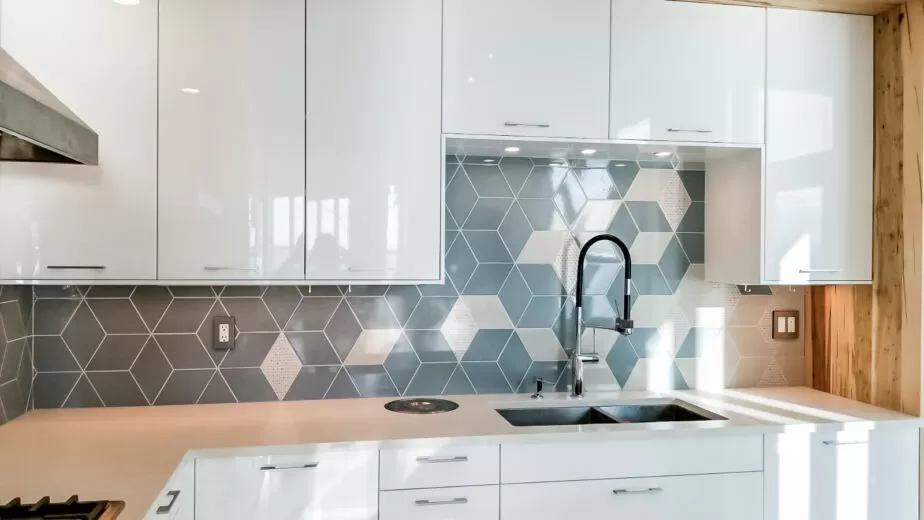
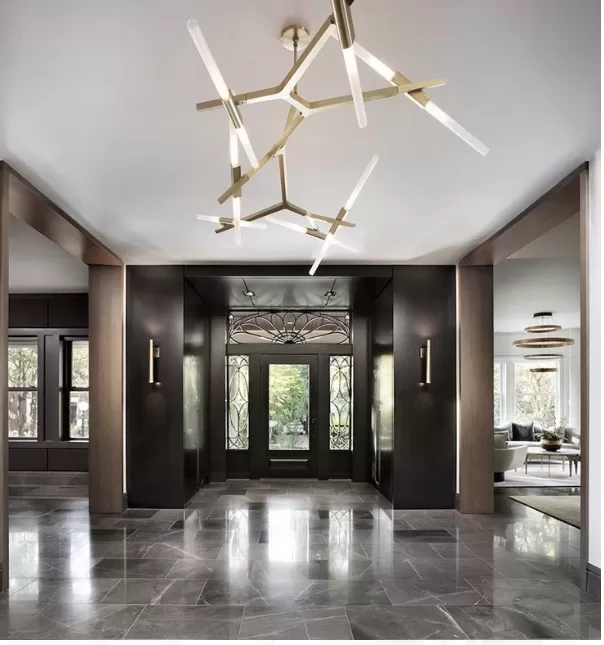
The best tile for a project is the tile suited to its location, installation system and maintenance expectations. Porcelain, ceramic and natural stone offer different choices, but the exact product specifications matter more than the material name alone.
Start with the room and intended use
Tell the supplier whether the tile will be used on a kitchen wall, bathroom floor, shower wall, shower floor or another surface. Ask about its intended use, traction where relevant, water exposure and any installation restrictions. A tile suitable for a wall is not automatically suitable for a floor.
Bring a sample into the room if possible. Lighting, grout colour and the size of the visible tile area can change how a finish looks compared with a showroom display.
Porcelain and ceramic questions
Porcelain is a type of ceramic tile, but individual products vary in finish, thickness, size and intended use. Ask the supplier which setting and grout products are compatible and whether the surface has special cleaning or sealing instructions.
A polished finish, textured floor tile and glazed wall tile should not be treated as interchangeable. For the exact product, request the manufacturer’s care information and floor-use suitability rather than relying on a general description such as “durable tile”.
Natural stone questions
Natural stone can vary in colour, veining and surface characteristics. Review the actual selection and discuss how variation will be distributed in the layout. Ask about the stone’s installation requirements, sealing where appropriate and compatible cleaning products.
Stone may require a different care routine from manufactured tile. Daltile’s natural stone care guidance is a useful starting point; use the instructions for the stone and products you actually choose.
Tile size and pattern affect the installation
Large-format tile, small mosaics and geometric patterns have different handling and layout needs. The existing surface, boundaries and cuts matter when estimating the installation. Discuss sheet alignment for mosaics, pattern direction and tile transitions before ordering the final quantity.
See our layout guide and tile floor service for decisions that connect material choice to the finished installation.
Your buying checklist
- Confirm the tile is suitable for the specific wall or floor.
- Check surface finish and cleaning requirements.
- Confirm dimensions, thickness, quantity and extra material for the layout.
- Choose grout and trims with the sample.
- Keep product and batch information, and retain spare tiles.
Send Vule Tile the product link or sample details with your room photos before committing to the full order. We can discuss installation scope and preparation for a Burlington, Toronto or GTA project.
Tell us about your tile project
Vule Tile serves Burlington, Toronto and the GTA. Share your location, room, approximate size and a few photos so we can confirm availability and discuss your project and the next steps.